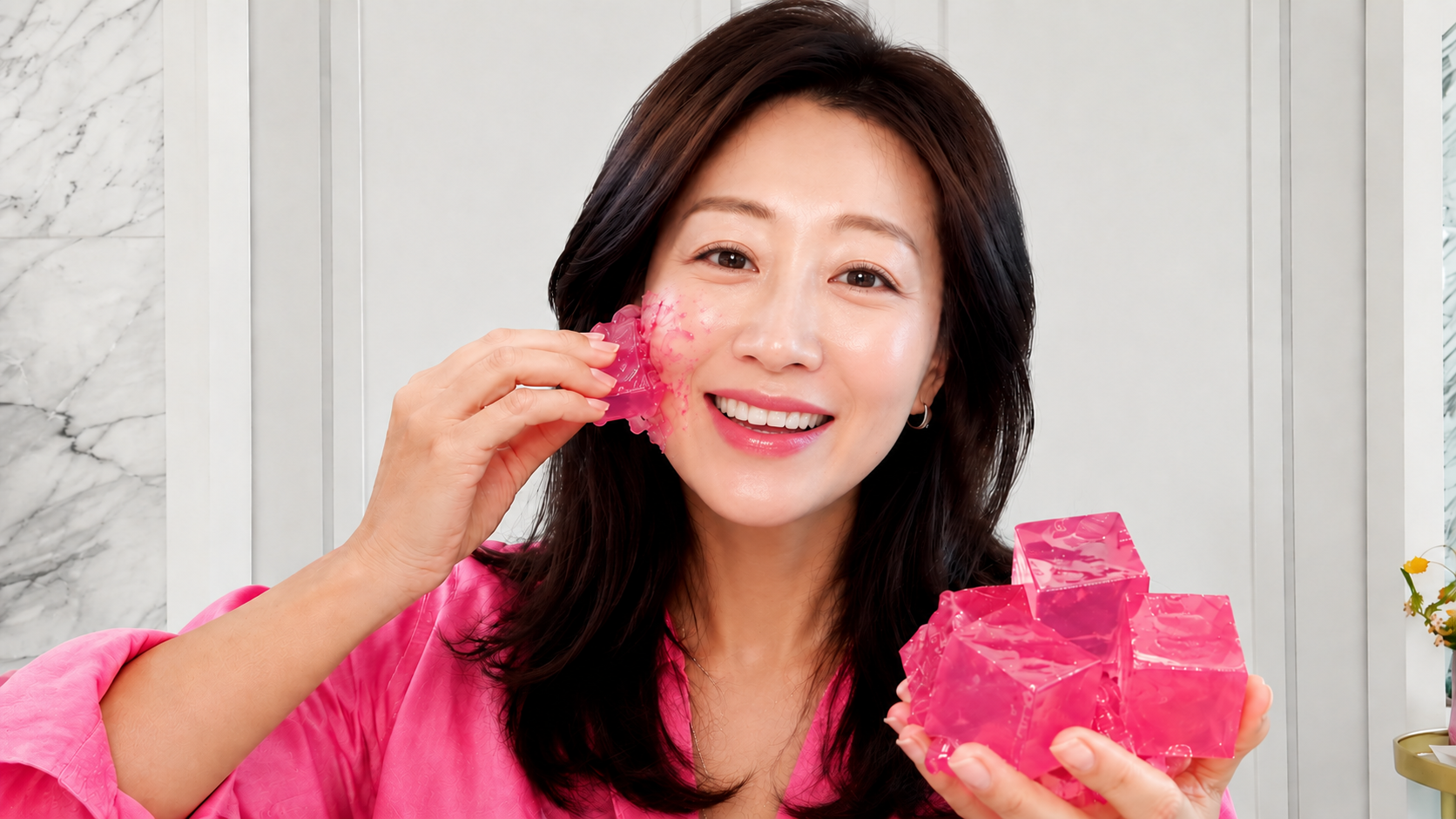
Have you ever stood next to a woman your same age and quietly wondered how her skin looks a decade younger than yours?
Most people assume it comes down to genetics. Or to the expensive cream sitting on her bathroom shelf.
But a growing number of people who study how skin changes over time have started pointing somewhere else entirely — toward a single nutrient the skin tends to have less and less of as the years pass.
As levels of that nutrient gradually decline, fine lines can look more defined, the skin along the jaw can feel less firm, and that tired, washed-out look can linger no matter how much you sleep or how many products you layer on at night.
What surprised us most was how simple the whole approach turned out to be once you understand what's going on underneath.
No 7-step routine.
No $200 serums.
No complicated regimen at all.
Just a short daily habit built around that one overlooked nutrient.
Skeptical? So were we. But after watching the short presentation that walks through it step by step, the reasoning was hard to argue with.
And judging by how quickly the video is being shared online, plenty of other women seem to feel the same way.
Diane, 58, wrote in:
So we tracked down access to the same short video, so you can watch it and decide for yourself.
Inside, you'll learn:
- What this overlooked nutrient actually is, and why the body has less of it over time
- Why so many skincare products are aimed at the wrong layer of skin
- And the simple 2-minute daily routine women are doing at home
Tap the button below to watch the free video now.
Watch the first 2 minutes and you'll see why most creams and serums never reach the layer that actually matters.